Sialkot factory · MOQ from 50 units · Samples in 7–10 days
- BSCI audited & ISO 9001
- [email protected]
- Mon–Sat, 09:00–18:00 (PKT)
Factory-Direct Wholesale Catalog & Custom Manufacturing Solutions
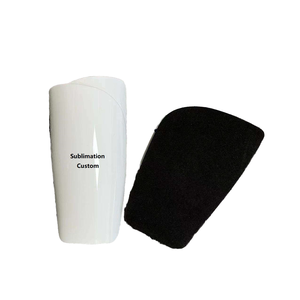
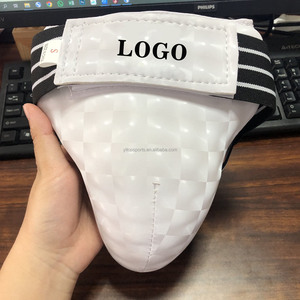
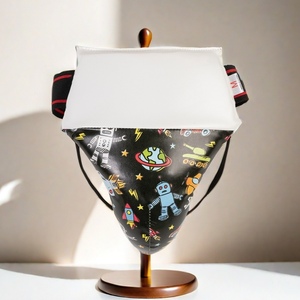
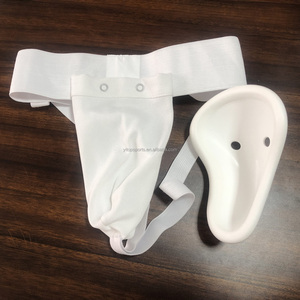
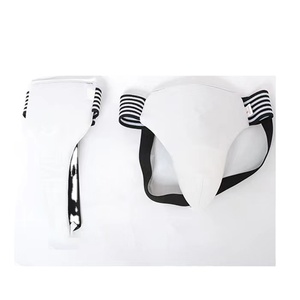
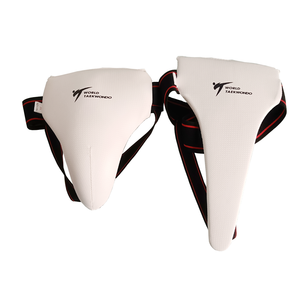
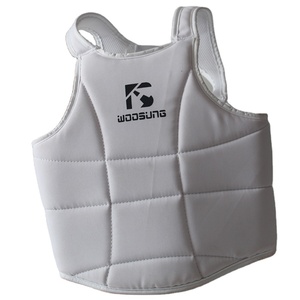
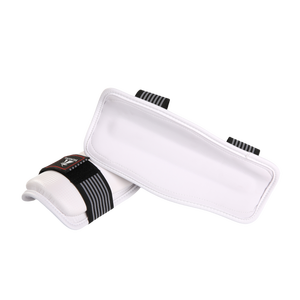
The international combat sports apparel industry has undergone a radical transformation over the past decade. No longer restricted to rudimentary satin shorts, modern professional boxing trunks, MMA fight shorts, and specialized protective gear demand advanced material engineering, ergonomic tailoring, and stringent quality compliance. As global combat brands, fight promotions, and athletic chains scale up their product lines, sourcing from premier manufacturing hubs—specifically China's industrial textile ecosystems—has become a pivotal growth catalyst.
China remains the undisputed epicenter for performance synthetic textiles, high-tensile elastane weaves, advanced dye-sublimation printing, and automated pattern cutting. Leading China boxing trunks factories and exporters integrate complete vertical supply chains under one roof: from yarn spinning and customized satin dyeing to digital printing, multi-needle elastic waist stitching, hand-finished applique, and rigorous ISO 9001 quality audits. This technical whitepaper explores the critical benchmarks, technical parameters, manufacturing innovations, and strategic sourcing trends driving the combat wear export sector in 2026 and beyond.
In high-intensity combat sports, athlete performance is directly tied to apparel mobility, thermal regulation, and structural longevity. Premium OEM boxing trunks must withstand tremendous kinetic stress, friction from ring canvas, repeated sweat saturation, and frequent laundering without losing stretch recovery or color vibrancy. Professional manufacturing centers utilize specialized engineering principles across three major components:
Traditional boxing shorts relied on lightweight polyester satin (120–140 GSM) which was prone to tear along stress seams and stick to moist skin. Top-tier exporters now utilize high-density satin weaves ranging from 180 GSM to 240 GSM. These fabrics feature a high-luster finish combined with an internal moisture-wicking hydrophilic treatment. Furthermore, for modern hybrid fight shorts, technical microfiber blends infused with 4-way spandex gussets are deployed to provide uninhibited range of motion during high kicks, footwork pivots, and clinches.
The waistband is the central anchor of any boxing trunk. Standard commercial trunks use 2 or 3 rows of elastic stitching, which often rolls over during sparring. Professional-grade manufacturing protocols dictate a 4-inch to 5-inch wide waistband reinforced with 6 to 8 parallel rows of high-tension elastic thread. This creates uniform pressure distribution across the abdominal area, preventing slippage without causing constriction. An integrated inner drawstring with reinforced aglets provides dual-lock security during competition.
To accommodate aggressive lateral footwork and explosive hip rotation, professional trunks incorporate side splits measuring between 3 to 5 inches. Because these side slits act as major stress concentration points, leading factories apply double-stitched folded hems and automated bar-tack rivets at the apex of each slit. This micro-engineering detail prevents seam propagation even under extreme mechanical pull.
Vertically Integrated Production Standards for Global Brands
Italian water-based non-toxic inks with 220°C high-pressure heat transfer, guaranteeing zero cracking, fading, or peeling after 100+ industrial wash cycles.
Fully compliant manufacturing facilities operating under BSCI social accountability norms and ISO 9001:2015 quality management benchmarks.
Turnaround times as fast as 5–7 working days for digital tech-pack samples, accelerating time-to-market for fight promotion collections.
Understanding technical textile parameters is crucial for procurement managers evaluating OEM factory proposals. The table below outlines standard industrial benchmarks for boxing trunks, fight shorts, and protective combat gear manufacturing:
| Apparel / Gear Category | Primary Material Blend | Fabric Weight (GSM) | Tensile Strength | Branding Techniques | Standard OEM MOQ |
|---|---|---|---|---|---|
| Pro Competition Boxing Trunks | 100% High-Dense Polyester Satin | 180 - 220 GSM | High (>350 N) | 3D Embroidery / Patch Applique | 50 - 100 Pcs |
| Hybrid MMA / Kickboxing Shorts | Microfiber + 4-Way Spandex Panel | 160 - 190 GSM | Ultra High (>500 N) | Full Digital Dye-Sublimation | 50 - 100 Pcs |
| Training & Amateur Shorts | Lightweight Poly-Satin / Mesh | 130 - 150 GSM | Medium (>250 N) | Screen Printing / Vinyl Heat Press | 100 Pcs |
| Combat Sports Groin Protectors | PU Leather Shell + High-Density EVA | N/A (Shell Weight) | Impact Absorption > 15kJ | Embossed Logo / Silk Screen | 100 Pcs |
| Elastic Guards & Shin Protectors | Poly-Cotton Elastic Sleeve + PP Cup | 300 GSM Elastic Body | Elastic Recovery > 95% | Woven Label / Sublimated Patch | 100 Pcs |
As the global combat equipment market approaches a projected valuation of multi-billion dollars, wholesale importers and brand procurement teams must adapt to progressive market shifts. Future-proofing your combat apparel supply chain requires aligning with manufacturers who are pioneering the following industry movements:
Environmental regulations and consumer expectations are pushing the fightwear market toward sustainability. Leading Chinese exporters are integrating rPET (Recycled Polyethylene Terephthalate) satin made from post-consumer plastic bottles. Combined with OEKO-TEX Standard 100 certified water-based inks, these eco-satin trunks match traditional satin in sheen and softness while reducing water consumption during dyeing by up to 40%.
Bacterial contamination (such as Staph and MRSA) poses a perpetual challenge in combat training environments. Next-generation boxing trunks and protective jockstraps are increasingly lined with silver-ion or zinc-pyrithione treated mesh liners. These bio-static treatments prevent microbial proliferation, extend garment shelf-life, and maintain freshness during multi-round sparring sessions.
The era of holding massive inventory in warehouses is being replaced by agile, low-MOQ supply contracts. Top China exporters now support small-batch manufacturing runs starting at just 50 units per colorway. This allows combat brands to test limited-edition drops, fight night gear, and gym co-branded collections without locking up working capital.
To eliminate physical sampling iterations and reduce carbon footprint, advanced factories utilize 3D CAD apparel rendering software (such as CLO 3D). Buyers can inspect fabric drape, waistband tension fit, side-slit placement, and pattern placement in hyper-realistic 3D models before committing to bulk fabric cutting.
Essential Answers for B2B Importers, Brand Owners, and Procurement Officers
Elevate your brand with factory-direct pricing, certified social compliance, premium satin textiles, and rapid OEM/ODM prototyping. Request our complete 2026 combat wear catalog today.