
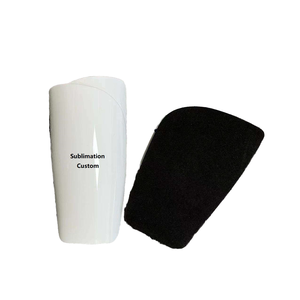
Sialkot factory · MOQ from 50 units · Samples in 7–10 days
- BSCI audited & ISO 9001
- [email protected]
- Mon–Sat, 09:00–18:00 (PKT)
Precision-engineered sports equipment and training protection manufactured in full compliance with BSCI and ISO 9001 quality audit standards.
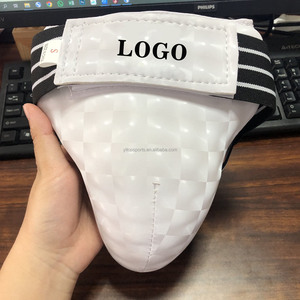
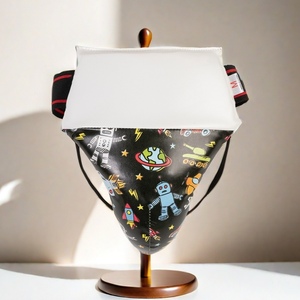
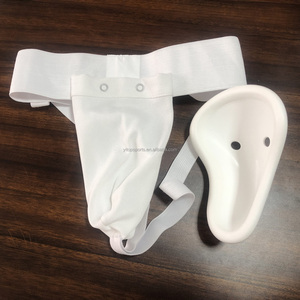
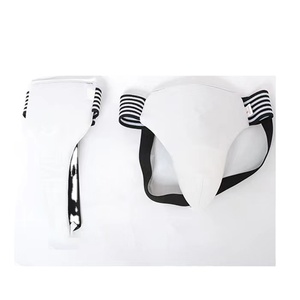
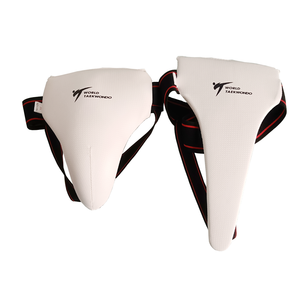
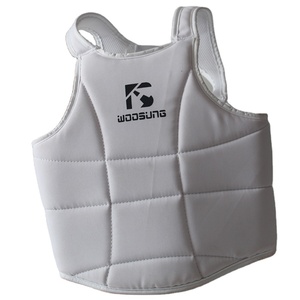
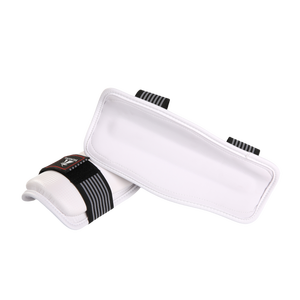
An exhaustive procurement roadmap analyzing production technologies, material engineering, social compliance, and international supply chain economics.
The global market for athletic training balls—spanning football, futsal, basketball, rugby, and specialty combat conditioning—has undergone a structural transformation. Modern professional training demands balls that mirror official matchday aerodynamics, flight consistency, and tactile response while offering 3x to 5x higher wear resistance against synthetic turf, concrete, and wet weather conditions.
Key technological breakthroughs in 2025 include thermo-bonded panel technology, micro-textured Japanese PU outer covers, and multi-ply poly-cotton carcass lamination. Sourcing managers must look beyond surface aesthetic to evaluate structural seam integrity, butyl bladder air retention tolerances, and REACH-compliant chemical safety profile before committing capital to production runs.
While East Asian hubs focus heavily on machine-stitched high-volume plastic balls, Sialkot, Pakistan remains the epicenter for premium hand-stitched, hybrid, and thermo-bonded training balls. Controlling over 70% of global hand-stitched ball production, Sialkot’s manufacturing ecosystem provides vertical integration: from local hide tanning and synthetic PU backing to micro-injection moulding and custom screen printing.
Importers negotiating procurement agreements must balance Minimum Order Quantity (MOQ) flexibility against per-unit shipping weight economics. Modern buyers prioritize factories capable of low 50-unit pilot orders to test digital sales channels before committing to 20-foot container shipments.
A detailed technical evaluation matrix comparing leading OEM suppliers, core specialization, minimum order requirements, and compliance certifications.
| Manufacturer / Exporter | Primary Production Hub | Core Ball & Gear Specialization | Manufacturing Technology | Standard MOQ | Compliance & Audits |
|---|---|---|---|---|---|
| SportSanga Manufacturing | Sialkot, Pakistan | Training Footballs, Boxing & Martial Protection | Thermo-Bonded, Hand-Stitched, Hybrid | 50 Units | BSCI, ISO 9001:2015, REACH |
| Adidas AG Supply Partners | Pakistan / Vietnam | Matchday & Elite Training Footballs | AeroSculpt Thermo-Bonding | 5,000 Units | ISO 14001, Fair Labor (FLA) |
| Molten Corporation | Japan / Thailand | Precision Basketballs & Volleyballs | Dual-Cushion Laminated Synthetic Leather | 1,000 Units | ISO 9001, FIBA Certified |
| Select Sport A/S | Denmark / Pakistan | Hand-Stitched Match & Futsal Training Balls | 32-Panel Sub-Surface Synthetic Craft | 500 Units | BSCI, FIFA Quality Pro |
| Nike Inc. Global OEM | Vietnam / Indonesia | Commercial Club & Academy Training Balls | Machine-Stitched TPU Carcass | 3,000 Units | SMETA, Highland Compliance |
| Mitre Sports International | United Kingdom / Pakistan | Rugby & Multi-Surface Training Balls | HyperSeam Fusion Technology | 500 Units | ISO 9001, SEDEX |
| Mikasa Sports | Japan / Cambodia | Water Polo & Outdoor Training Volleyballs | Dimpled Microfiber Rubber Laminate | 1,000 Units | FIVB Standard, ISO 9001 |
| Star Sports Co., Ltd. | South Korea / China | High-Rebound Synthetic Leather Training Balls | Thermal Polyurethane Woven Backing | 500 Units | KS Certified, ISO 9001 |
| Decathlon (Kipsta Division) | France / Global Supply | Mass Market Youth & Practice Balls | Automated Machine Stitching | 10,000 Units | Ecodesign Internal Standard |
| Baden Sports | United States / China | Cushion Core Practice Basketballs & Softballs | Recessed Seam Precision Winding | 500 Units | NFHS Approved, ISO 9001 |
Training ball durability is governed by panel joining technology. Traditional 32-panel hand-stitched balls utilize heavy-gauge 5-ply polyester thread that remains inside the carcass, providing superior seam depth and resistance to seam bursting upon high-velocity impact.
Modern hybrid balls combine internal stitching with thermal glue sealing along panel edges. This hybrid construction prevents water uptake during wet pitch training, maintaining exact target weight (410g–450g for Size 5) and preventing waterlogging.
A critical metric for academy and equipment managers is inflation pressure longevity. Natural latex bladders offer match-grade responsiveness and organic bounce dynamics, but require inflation before every training session due to micro-porous permeability.
For bulk training ball orders, premium synthetic butyl bladders reinforced with polyester winding are specified. Butyl bladders maintain continuous inflation pressure for over 72 hours under severe cyclic impact tests, drastically reducing maintenance downtime for sports clubs.
Leading exporters subject every batch to strict pre-shipment Quality Control protocols matching AQL 2.5 standards. Laboratory stress testing includes 2,000-cycle drum impact testing at 50 km/h against a solid steel plate.
Visual inspections verify circumference uniformity (max 1.5% variance), sphericity deviation (< 1.8%), weight tolerance (+/- 5 grams), and colorfastness under intense UV exposure to ensure long-term brand integrity on store shelves.
Key market forces shaping the global supply chain, material engineering, and buyer-manufacturer relationships over the next decade.
Environmental compliance and Scope 3 carbon emission reporting are accelerating the adoption of sustainable materials. European and North American buyers are transitioning from standard petroleum-based PVC and PU toward recycled TPU shells derived from post-consumer PET bottles and bio-based polyols.
Forward-thinking manufacturers in Sialkot are integrating GRS-certified (Global Recycled Standard) backing textiles, water-based non-toxic inks, and solvent-free lamination adhesives that eliminate VOC emissions without sacrificing skin tensile strength.
The modern training ball is becoming a digital data collector. High-performance academies increasingly mandate training balls embedded with ultra-lightweight (less than 7-gram) IMU (Inertial Measurement Unit) sensors anchored securely within the central core.
These sensors measure strike velocity, spin rate (RPM), flight trajectory curvature, and impact force in real time via Bluetooth mesh networks. Manufacturers with specialized mounting tooling can charge a premium while capturing high-value professional club accounts.
Vertically integrated production from raw hide selection and synthetic lamination to sealed export master cartons.
Unlike trading companies, our facility houses leather cutting, foam moulding, hand stitching, screen printing, sublimation, and final QA under one roof. You get direct factory-floor pricing without broker markups.
Operating strictly under BSCI social auditing and ISO 9001:2015 quality management systems. Material test reports covering Azo dyes, phthalates, and REACH restricted substances are supplied per container shipment.
Full customization including embossed leather logos, high-density embroidery, custom hang tags, barcoded polybags, and retail packaging. Your custom tooling and artwork remain 100% exclusive to your account.
Clear, authoritative technical details regarding lead times, customization, MOQs, payment terms, and factory shipping protocols.
Our standard OEM minimum order quantity starts at 50 units per product line for stock specifications and standard colorways. For fully customized private label programs—including custom material color matching, proprietary panel debossing, and bespoke retail packaging—our typical MOQ is 100 to 200 units depending on category. Mixed-size and mixed-color assortment cartons are welcomed to support launch catalogs.
Physical pre-production samples with custom logo artwork are completed and dispatched via express air courier within 7 to 10 working days of artwork proof approval. Bulk production lead times range from 25 to 35 calendar days depending on order volume and construction complexity (e.g., 30 days for hand-stitched training footballs, 25 days for sublimated protective gear). Accelerated production queues are available for urgent league kick-off deadlines.
We enforce strict ISO 9001:2015 Quality Management Protocols throughout production. Once a pre-production sample is approved by the buyer, it is assigned a unique Golden Sample ID. Every production stage—raw material lamination, die-cutting, panel stitching, bladder mounting, and final cleaning—is checked by quality inspectors against the Golden Sample specification sheet. A final AQL 2.5 inspection report with physical photo/video documentation is issued prior to packing.
We offer full flexibility on commercial terms including EXW, FOB Karachi, CIF (Destination Port), and DDP (Delivered Duty Paid) directly to your distribution center. Standard payment terms are a 30% advance deposit by T/T upon order confirmation, with the remaining 70% balance payable against presentation of the Bill of Lading (B/L) copy. Irrevocable Letters of Credit (L/C at sight) are accepted for container-level contracts exceeding USD 20,000.
Yes. All synthetic leathers (PU/TPU), foam backings, rubber bladders, and printing pigments used in our factory are strictly formulated to comply with EU REACH Annex XVII regulations (free from Azo dyes, heavy metals, phthalates, and PAH compounds) and US CPSIA lead standards. Material safety data sheets (MSDS) and batch laboratory test certificates from accredited testing agencies (such as SGS or Bureau Veritas) are available upon request.
Connect directly with our senior export engineering team in Sialkot. Receive a comprehensive costed specification sheet, material swatches, and custom branding options within 24 business hours.