Sialkot factory · MOQ from 50 units · Samples in 7–10 days
- BSCI audited & ISO 9001
- [email protected]
- Mon–Sat, 09:00–18:00 (PKT)
Explore our precision-engineered match footballs and martial arts protective equipment manufactured under strict ISO 9001 and BSCI audited protocols.
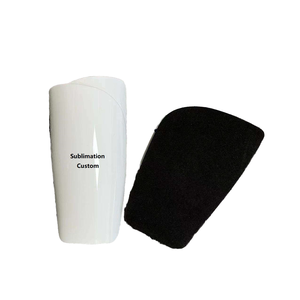 OEM Custom
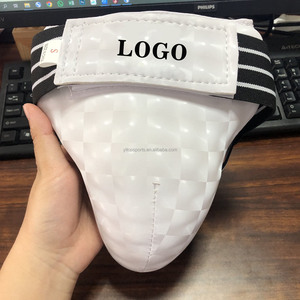 WTF Spec
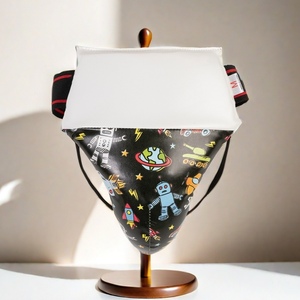 Pro Combat
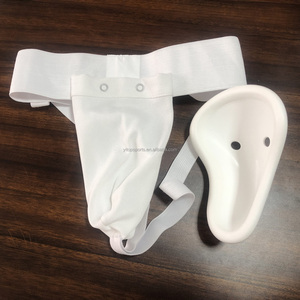 Breathable
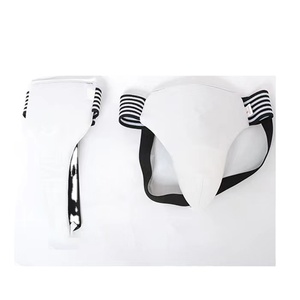 TJT Brand
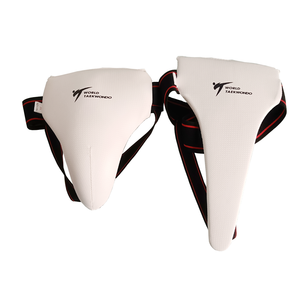 Unisex OEM
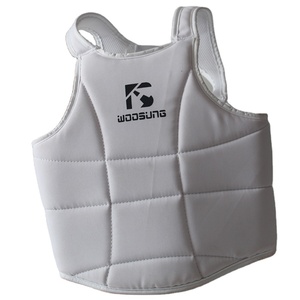 Multi-Sport
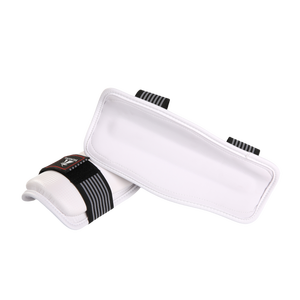 Adjustable
The global sports equipment market has underwent a seismic shift in manufacturing technology over the past decade. B2B procurement managers, sports brand buyers, and tournament organizers evaluating China wholesale match football manufacturers and factories must navigate a complex landscape of material chemistry, dynamic flight aerodynamics, thermal bonding innovations, and compliance audits. As standard hand-stitched construction gives way to automated thermal bonding and hybrid paneling, understanding factory capability standards is vital to securing commercial success and brand prestige.
Core Procurement Insight: Modern professional match footballs require a sphericity tolerance under 1.0% and a water absorption rate under 1.5% to achieve FIFA Quality Pro compliance. Factory evaluation must focus on automated panel alignment technology and raw material lamination consistency.
When auditing Chinese football manufacturing hubs—such as those located in Jiangsu, Guangdong, and Shandong provinces—importers must evaluate the three primary construction paradigms used in modern production lines:
Thermal bonding represents the pinnacle of match ball engineering. Panels are placed into a high-precision heated mold where pressure and thermal adhesive fuse the outer Polyurethane (PU) panels seamlessly over a pre-shaped carcase. The result is a smooth, seamless surface that virtually eliminates water uptake during wet pitch conditions. Seamless construction yields uniform flight dynamics, uniform rebound responsiveness, and reduced aerodynamic drag.
Hybrid football technology bridges the cost gap between training balls and elite match balls. In a hybrid setup, panels are first machine-stitched along the inner edges and subsequently sealed using high-frequency thermal adhesive inside a specialized molding press. This dual-action construction shields the stitching threads from dirt and water abrasion, extending panel longevity while maintaining an accessible wholesale price point.
Traditional 32-panel hand-stitched footballs remain highly sought after for heavy-use club environments. Utilizing high-tensile 5-ply polyester threads and reinforced multi-layer cloth backings, hand-stitched balls offer superior seam strength and easy bladder replacement. Machine stitching, while lower in cost, is primarily utilized for promotional and recreational grade equipment.
| Construction Method | Sphericity Deviation | Water Absorption | Rebound Height (from 2m) | Optimal Usage Scenario |
|---|---|---|---|---|
| Thermal Bonding | < 0.8% (Elite Grade) | < 1.0% Weight Gain | 140cm – 145cm | Professional Leagues & Tournaments |
| Hybrid Sealed | < 1.3% (Club Grade) | < 3.0% Weight Gain | 135cm – 142cm | Official Club Matches & Academy Training |
| Hand-Stitched | < 1.5% (Standard) | < 6.0% Weight Gain | 130cm – 140cm | Training & Heavy Weather Ground Use |
| Machine-Stitched | < 2.0% (Recreational) | < 10.0% Weight Gain | 120cm – 135cm | Promotional & Youth Recreational |
A match ball’s performance in flight and impact response is directly governed by its interior material architecture. Leading OEM factories in China utilize multi-layered composite stacks:
Key technological breakthroughs and sustainability imperatives transforming the global sports equipment supply chain.
Environmental regulations across North America and Europe (such as EU REACH standards) are pushing Chinese factories to adopt water-borne PU synthetics and recycled PET panel backings derived from ocean plastics, cutting carbon footprints by over 40%.
Smart footballs embedded with 500Hz Inertial Measurement Units (IMU) and RFID tracking chips are transitioning from elite leagues to commercial production lines, providing real-time data on kick velocity, spin rate, and goal-line spatial verification.
Leading OEM manufacturers are integrating 3D machine vision inspection cameras along assembly conveyor belts to automatically detect panel misalignment, micro-scratches, seam gaps, and print registration defects with zero human error tolerance.
We deliver vertically integrated production solutions tailored to private label brands, tournament organizers, and international wholesale distributors.
Our manufacturing facilities operate under ISO 9001:2015 Quality Management and BSCI social compliance standards. We guarantee ethical working conditions, transparent raw material supply chains, and zero forced labor across all assembly tiers.
Every production batch undergoes automated robotic testing: 2,000-cycle drum impact test at 50 km/h, climatic chamber temperature cycling (-15°C to +45°C), water immersion testing, and digital laser sphericity measurement prior to master carton packing.
From custom vector panel artwork, metallic foil hot-stamping, and Pantone color matching to customized polybags, barcoded retail color boxes, and display cartons—our engineering team converts your design vision into market-ready inventory.
We provide comprehensive export documentation including Certificates of Origin (Form E/Form F), GSP preferences, CE declarations, and full freight handling—supporting ocean container loads, air express sampling, and sea-air multimodal logistics.
Clear answers to critical questions regarding minimum orders, sampling workflows, quality control, and shipping terms.
For standard stock material specifications with custom silk-screened logos, our MOQ starts at 500 units per design. For fully customized thermal-bonded match balls requiring custom surface embossing textures, specialized panel shapes, or Pantone-dyed PU materials, the standard production MOQ is 1,000 units. Trial orders for sports academies or localized promotional campaigns can be evaluated on a case-by-case basis.
Physical pre-production samples with custom logo artwork and specified material backings are created and dispatched within 7 to 10 working days. Upon sample sign-off and deposit receipt, bulk mass production timelines generally range from 25 to 35 calendar days, depending on order volume and panel construction type (thermal bonding versus hand stitching).
Our quality control protocol adheres strictly to AQL 1.5 / 2.5 standards. Every match football undergoes pre-assembly raw material testing, mid-process seam tensile strength checks, and post-assembly 72-hour air pressure retention tests. We verify weight tolerances (420g–445g for Size 5 match balls), circumference tolerances (68.5cm–69.5cm), and rebound consistency before signing off on final packing lists.
Yes. Our top-tier thermal bonded match balls are engineered to meet or exceed all laboratory criteria established under the FIFA Quality Programme for Footballs. This includes stringent thresholds for sphericity deviation, rebound elasticity across temperature zones, low water absorption (< 1%), minimal pressure loss, and shape retention after thousands of high-velocity impacts.
We support standard international commercial terms including FOB (Ningbo / Shanghai / Shenzhen), CIF, CFR, EXW, and DDP (Delivered Duty Paid) directly to your warehouse. Standard payment terms are a 30% deposit via T/T upon proforma invoice confirmation, with the remaining 70% balance payable against presentation of the Bill of Lading (B/L) copy or via irrevocable Letter of Credit (L/C at sight).
Absolute transparency is guaranteed. All materials used in our production lines are compliant with European REACH regulations, Phthalates-free (6P/16P standards), Heavy Metal free, and Azo dye chemical safety norms. Shipment-specific material test reports issued by independent laboratories (such as SGS, TÜV, or Intertek) can be provided upon request.
Connect directly with our engineering sales team to request factory pricing, material swatch kits, or custom OEM sample developments for your brand.