Sialkot factory · MOQ from 50 units · Samples in 7–10 days
- BSCI audited & ISO 9001
- [email protected]
- Mon–Sat, 09:00–18:00 (PKT)
Choosing Professional Cricket Batting Pads in 2026 requires more than comparing prices, colours, or celebrity endorsements. The ICC’s Global Fan Engagement Study reported more than one billion cricket followers worldwide, with strong participation among younger audiences. That scale increases demand for safer, lighter, and better-fitting equipment. Industry forecasts from Mordor Intelligence also identify protective gear innovation, lightweight materials, and expanding cricket participation as important market drivers. These trends matter at ground level. A pad that twists during a quick single can expose the knee or inner shin within seconds.
Cricket equipment specialist Ian Anderson offers a practical warning: “The best protection is useless when it does not fit the player properly.” Fit should come before appearance. The knee roll must sit over the kneecap, while the side wings should cover the vulnerable outer leg without restricting movement. Check the straps with your actual playing trousers. Small details matter. Foam density, airflow, weight, toe protection, and moisture control can change comfort during a long innings. Standards and manufacturer testing provide useful safeguards, but labels alone cannot predict personal comfort. That assumption can be wrong.
This guide examines sizing, materials, protection zones, mobility, durability, and value. It also considers guidance from established cricket bodies and practical feedback from players. The perfect pair does not exist for everyone. A junior batter, club opener, and professional may need very different designs. Test the pads in batting stance, not only while standing in a shop.
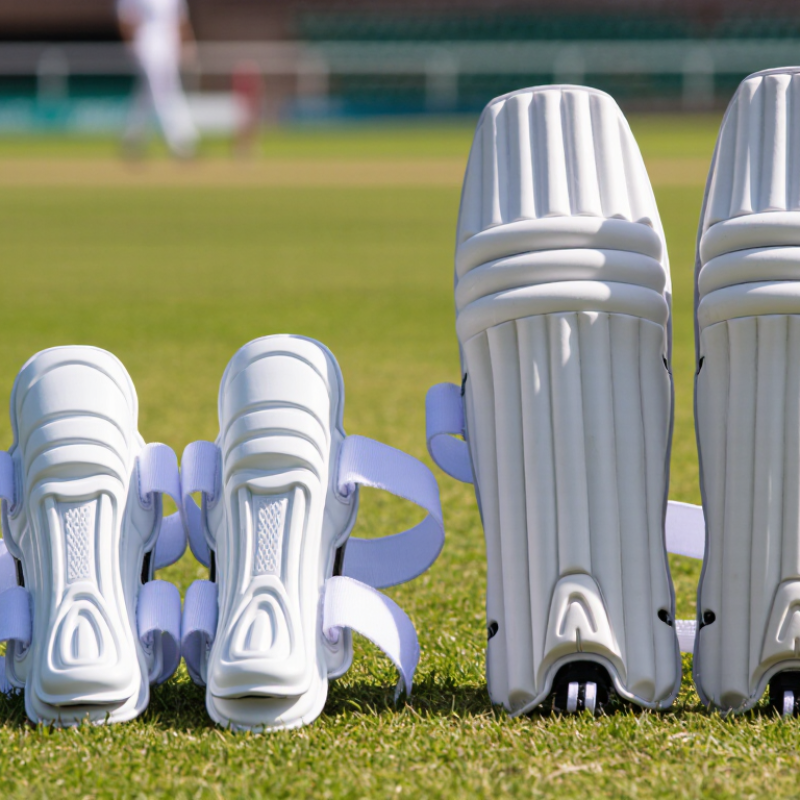
How to Choose Professional Cricket Batting Pads in 2026?
Cricket batting pads differ in shape, materials, weight, and protection level. Traditional pads use cane or layered foam for firm impact resistance. Modern lightweight pads often use high-density foam and reinforced plastic inserts. They reduce leg fatigue, but some feel less substantial against fast bowling.
Protection begins around the knee. Professional-level pads usually include a deep knee pocket, a firm knee bolster, and wide side wings. These areas shield the knee and outer leg from rising deliveries. Check the shin panel carefully. It should cover the leg without restricting your stride. The instep also needs protection, especially when facing yorkers or playing across the line. Adjustable straps should hold the pad securely, but they must not leave pressure marks.
I have found that comfort affects technique more than many players admit. A heavy pad can change footwork during long innings. However, an ultra-light model may provide weaker coverage near the knee or ankle. Try pads while wearing cricket trousers and moving into a batting stance. Tap the straps, bend the knee, and check for gaps. Fit advice from a qualified coach or equipment specialist adds useful judgment. Measure both legs, because small differences matter. My own mistake was choosing maximum protection without testing mobility. The pad looked impressive, yet it slowed my first movement.
| Pad Type | Typical Construction | Protection Level | Typical Weight Range* | Best Suited For | Main Advantages | Important Selection Checks |
|---|---|---|---|---|---|---|
| Traditional Cane-Filled Pads | Layered cane or similar rigid reinforcement covered with leather or synthetic outer material, with padded side wings and knee protection. | High impact protection | Approximately 1.8–2.6 kg per pair | Fast bowling, regular competitive cricket, and players who prioritize maximum impact resistance. | Strong structural protection, stable shape, and good coverage around the shin and knee. | Check that the cane structure does not restrict knee flexion. Confirm secure straps, comfortable knee positioning, and balanced weight. |
| Lightweight Foam Pads | Multi-density foam such as high-density polyethylene or closed-cell foam, usually with a synthetic shell and internal cushioning. | Medium to high impact protection, depending on foam density and coverage | Approximately 1.2–2.0 kg per pair | Club-level players, mobile batters, and cricketers who want a lower-weight alternative to traditional pads. | Reduced fatigue, easier running between wickets, and greater flexibility during stance and movement. | Do not judge protection by weight alone. Inspect knee-roll thickness, shin coverage, side protection, and foam compression after repeated use. |
| Hybrid Pads | Combines rigid vertical reinforcement with lightweight foam, molded inserts, or reinforced knee and side sections. | High protection with improved mobility | Approximately 1.5–2.3 kg per pair | Professional and serious club players who need a balance of impact protection, comfort, and movement. | Good compromise between protective structure, ventilation, weight, and flexibility. | Check whether the rigid inserts remain centered over the shin and knee while walking, batting, and taking a guard. |
| Close-Fitting Professional Pads | Anatomically shaped shell with compact knee rolls, shaped shin guards, dense padding, and adjustable straps. | High protection in a compact profile | Approximately 1.5–2.2 kg per pair | Experienced batters who value a close fit, quick footwork, and minimal bulk. | Less movement between pad and leg, streamlined feel, and reduced interference with batting footwork. | The knee roll must sit directly over the kneecap. Ensure the pad does not twist when moving and does not press against the ankle. |
| Entry-Level Club Pads | Basic foam construction with moderate shin and knee padding, commonly using synthetic covers and simple strap systems. | Basic to medium recreational protection | Approximately 1.3–2.1 kg per pair | Recreational cricket, occasional matches, practice sessions, and developing players. | Generally affordable, comfortable, and suitable for moderate playing frequency. | For frequent fast-bowling exposure, choose stronger knee, shin, and side protection rather than relying only on a low price or light weight. |
| Youth and Junior Pads | Scaled-down foam or hybrid construction designed around shorter lower legs and smaller knee positions. | Age-appropriate protection; not a substitute for adult sizing | Approximately 0.7–1.5 kg per pair | Junior players whose leg length and knee position match the pad's size range. | Lower weight, easier movement, and improved fit for smaller players. | Measure from the center of the kneecap to the top of the instep. Avoid buying oversized pads for growth if they shift during movement. |
Look for a deep knee pocket, firm bolster, wide side wings, and full shin coverage. The instep also needs protection against low deliveries. No pad is perfect.
The knee cup should sit directly over your kneecap. It must stay centered when you bend, walk, and change direction. A loose pad can rotate during a quick single.
Wear your match trousers and socks during testing. Bend your knee, squat several times, and play shadow shots. Check for pressure marks and gaps. Standing still proves little.
Lightweight pads can reduce leg fatigue and improve movement. However, very light designs may offer weaker knee or ankle coverage. Choose balanced protection, not the lowest weight.
Measure from the knee centre to the top of your shoe. Stand naturally during measurement. Compare both legs with the sizing chart. Do not trust the chart blindly.
Openers may need firm knee protection and close shin coverage. Middle-order batters often value mobility during quick singles. Occasional batters may prefer simpler, lighter protection.
Breathable lining helps during hot matches. Quick-drying materials reduce discomfort after sweating. Secure straps matter on wet outfields. Check the straps after movement.
Higher prices may improve shaping, weight, and durability. They do not guarantee a better fit for every player. Inspect stitching and compressed foam before paying more. My expensive choice still slowed my footwork.
Choosing the right Professional Cricket Batting Pads in 2026 requires more than selecting the most protective option. Start by understanding the differences between traditional, lightweight, and high-impact pad designs, then consider the level of protection needed for your playing role and competition standard. A proper fit is essential: pads should sit securely over the knees and shins without restricting footwork, running, or balance. Accurate sizing, comfortable interior padding, and breathable materials can make long innings more manageable.
When comparing options, evaluate the materials, overall weight, and ability to absorb repeated impacts. Strong straps, reliable fasteners, well-shaped knee sections, and durable stitching are important signs of good construction. Players should also consider their position, budget, pitch conditions, weather, and frequency of play. A professional player facing fast bowling may prioritize maximum protection, while a developing or recreational player may prefer lighter pads that offer mobility and value. The best choice combines dependable safety, comfort, flexibility, and long-term durability.