Choosing the China Best Grade 1 English Willow Cricket Bat supplier requires more than comparing prices and polished product photos. A reliable supplier should explain willow sourcing, bat pressing, moisture control, handle construction, and quality inspection. Grade 1 English Willow Cricket Bat usually refers to premium willow with attractive grains and strong performance potential. However, grading terms can differ between manufacturers. “Grade 1” is not always a universal industry standard.
Sachin Tendulkar once said, “The bat is an extension of the batsman’s arm.” That idea remains useful when assessing a supplier. A professional factory should produce bats that feel balanced, responsive, and comfortable during long innings. Buyers should request close photographs of the blade, edge profile, toe, grains, and handle splice. A sample order can reveal more than a catalogue.
Look closely.
Experienced suppliers should discuss willow origin honestly, including whether the blade is clefted, air-dried, or naturally seasoned. They should also provide clear specifications for weight, blade length, pressing strength, and customization options. A dependable partner welcomes independent inspection and does not promise identical natural grains on every bat.
The best supplier may not be the cheapest. A lower quote can hide inconsistent pressing, weak handles, or poor finishing. Still, premium claims deserve evidence. This guide cannot remove every uncertainty, because natural willow varies from bat to bat. That imperfection matters. Careful testing, transparent communication, and documented quality control remain the strongest foundations for selecting China’s best supplier.
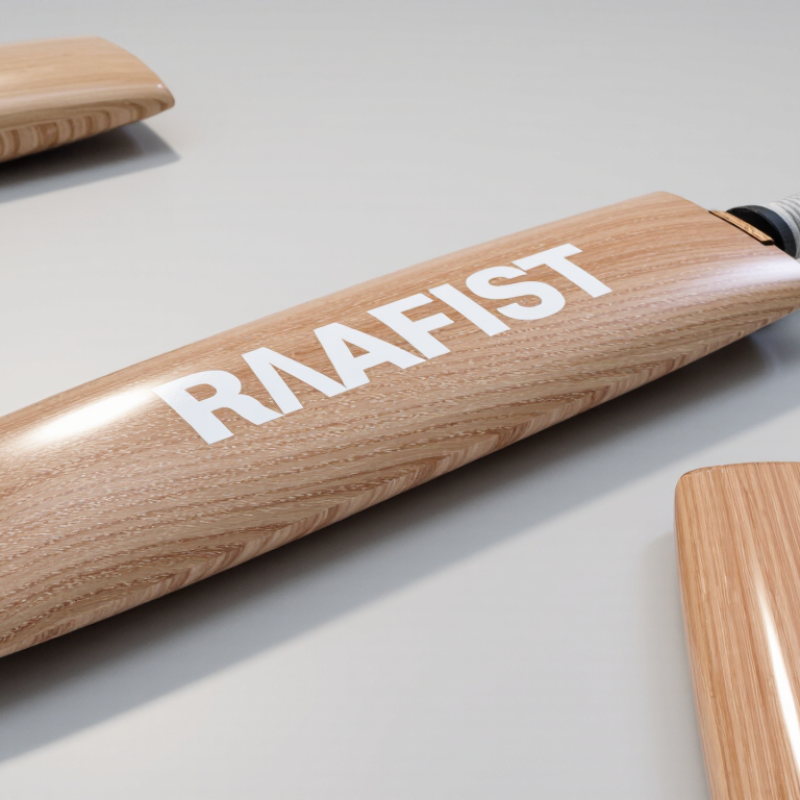
What Defines a Grade 1 English Willow Cricket Bat?
A Grade 1 English willow bat usually has a clean face, straight grains, and very few visible blemishes. Many suppliers describe six to twelve grains as desirable, but no global grading authority fixes this number. The term is commercial, not universal. That distinction matters.
Experienced bat makers inspect the cleft before shaping it. They check grain direction, density, moisture, edge symmetry, and the position of the sweet spot. A pale face may look premium, yet appearance cannot guarantee rebound or durability. Looks can mislead. A bat should also feel balanced in the hands, especially during defensive strokes and fast singles. The Laws of Cricket, 2022 Code, permit a bat up to 96.52 centimetres long, 10.8 centimetres wide, and 6.7 centimetres thick, with a maximum weight of 2.64 kilograms. These are legal limits, not Grade 1 quality indicators.
Reliable suppliers should provide measurable details, including weight tolerance, handle construction, pressing method, and photographs of the actual blade. The FAO Global Forest Resources Assessment 2020 reports 294 million hectares of planted forests worldwide, but this figure does not certify bat-grade willow. Buyers should request origin records and ask whether the willow was naturally air-dried. Some grading claims remain subjective. Not always. A minor knot may affect appearance without seriously harming performance, while hidden compression damage can matter more. A careful supplier admits this uncertainty and encourages inspection before purchase.
A reliable Grade 1 English willow cricket bat begins with careful timber inspection. Look for straight, even grains running from toe to shoulder. Seven to twelve grains can indicate mature willow, but grain count alone proves little. Small natural blemishes may be acceptable. Deep cracks, soft spots, or large stains deserve closer checking. The face should feel firm, dry, and evenly pressed.
Touch matters. Run your fingers across the blade and edges. A quality bat should have a clean finish without raised fibers or uneven sanding. The toe needs firm sealing because damp grounds can cause swelling. Check the handle carefully. Multi-piece cane handles usually offer controlled flexibility and shock absorption. The splice should sit tightly, without visible gaps. Balance matters more than a low scale weight.
From practical inspections, I have learned that identical weights can feel completely different. One bat may pick up quickly, while another feels heavy near the blade. Ask the supplier for exact weight, pickup details, edge size, spine height, and moisture readings. Request clear photos of the grains, toe, splice, and handle. A dependable supplier should explain pressing levels and allow reasonable inspection before shipment.
Perfection is uncommon. Even experienced buyers miss subtle defects sometimes. A transparent inspection record is therefore more useful than impressive sales language. Sample approval also helps reveal whether production matches the supplier’s stated quality.
| Assessment Dimension | Reliable Quality Indicators | ||
|---|---|---|---|
| Willow Species and Origin | English willow cricket bats are generally made from Salix alba var. caerulea, a cricket-bat willow cultivated mainly in the United Kingdom. The species and source should be clearly identified rather than described only as “English-style willow.” | Check the product specification, timber documentation, and close-up photographs of the blade. Confirm that the listed species matches the supplied cleft. | Request traceability records, cleft photographs before pressing, and a written declaration distinguishing English willow from Kashmir willow or other hardwoods. |
| Grade 1 Classification | “Grade 1” is a commercial visual classification rather than a single globally regulated standard. It commonly refers to a clean, straight-grained face with limited cosmetic blemishes, but grading rules vary between suppliers. | Compare the seller’s written grading rules with the actual bat. Look for consistent grain visibility, limited red wood, and no structural defects. | Ask for a signed grading specification, acceptable tolerance limits, and an agreed procedure for handling bats that do not meet the declared grade. |
| Grain Pattern | Straight, continuous grains running along the blade are generally preferred. A typical high-quality bat may show approximately 6–12 visible grains, but grain count alone does not prove performance or durability. | View the full face, edges, toe, and back under even lighting. Check whether grains remain reasonably straight and continuous through the main hitting area. | Require high-resolution front and side photographs or a pre-shipment inspection sample. Do not accept grain count as the only grading criterion. |
| Red Wood and Colour Variation | Small amounts of red wood or natural colour variation can occur in willow and do not automatically indicate failure. Large red areas, severe discoloration, or inconsistent grading should be treated as quality concerns. | Inspect both shoulders and the edges of the blade, where colour changes may be more visible. Distinguish natural colour from staining, cracking, or repair work. | Define the maximum acceptable red-wood area and colour variation in the purchase specification, preferably with reference photos. |
| Cleft Preparation | A well-prepared cleft should be properly seasoned, free from active insect damage, and shaped with the grain orientation considered. Excessive knots, open splits, and structural defects are unacceptable in the playing area. | Examine the toe, shoulders, edges, and splice area for cracks, open knots, soft spots, and filler. Tap testing may support inspection but should not replace visual examination. | Ask about seasoning time, storage conditions, defect-rejection procedures, and whether any filler or repair material is used. |
| Blade Profile | A bat should have a balanced profile suited to its stated playing style. Common specifications include a full or semi-full profile, a defined sweet spot, and edges that are substantial without being excessively bulky. | Measure blade length, width, edge thickness, spine height, toe shape, and pickup. Compare multiple bats from the same production batch for consistency. | Request a dimensional drawing with tolerances. Confirm whether measurements are taken before or after finishing and whether custom dimensions are available. |
| Weight and Balance | Adult cricket bats commonly fall around 2 lb 7 oz to 2 lb 12 oz, although the suitable weight depends on player strength, height, technique, and playing conditions. Pickup and balance matter as much as scale weight. | Weigh each finished bat using a calibrated scale. Test pickup by holding the bat in the normal grip and check that the balance matches the requested specification. | Set a weight tolerance, such as ±1 oz where practical, and specify the balance point or pickup requirement. Ask for batch weight records. |
| Handle and Splice | A quality handle normally uses laminated cane construction with a secure splice into the blade. The handle should feel firm, straight, and free from movement or rattling. | Check alignment from the toe to the handle, apply moderate flex by hand, and listen for movement or noise. Inspect the splice and shoulder area for gaps. | Confirm handle material, number of cane laminations, splice design, adhesive type, and warranty coverage for handle separation. |
| Pressing and Compression | Pressing should compact the willow sufficiently for normal ball impact without excessively compressing the fibres. Over-pressing may reduce responsiveness, while under-pressing may increase early denting. | Use a controlled sample test with new cricket balls and record indentation, rebound response, and surface damage. Compare results across the batch. | Request the pressing method, test protocol, sample results, and a clear definition of acceptable dents or marks after testing. |
| Toe Protection and Edge Protection | A toe guard and suitable protective film or facing can help reduce moisture ingress, toe damage, and surface scuffing. Protection should be securely bonded and neatly finished. | Check for complete adhesion, smooth edges, no trapped air pockets, and no exposed gaps at the toe or lower blade. | Confirm the toe-guard material, adhesive, protective film type, replacement options, and whether the bat is supplied with or without face protection. |
| Knocking-In and Ready-to-Play Status | New willow bats generally require knocking-in unless the supplier explicitly completes and documents the process. A bat described as “ready to play” should have a defined preparation standard. | Ask whether the edges, toe, and main hitting area have been prepared. Check for compression marks, loose fibres, or premature surface damage. | Obtain the knocking-in method, duration, ball type, inspection checklist, and written aftercare instructions. |
| Moisture and Storage Control | Willow is a natural material that can swell, shrink, or crack when exposed to unsuitable humidity or rapid temperature changes. Stable storage and controlled transport are essential. | Inspect packaging for dampness, warping, mould, or cracking. Store the bat in a dry, ventilated environment away from direct heat and prolonged sunlight. | Request storage conditions, packaging specifications, moisture-control procedures, and transit protection for different climates. |
| Manufacturing Consistency | A dependable supplier should produce consistent dimensions, weights, handle alignment, finish quality, and grading across the same order. Natural willow variation should be documented rather than hidden. | Inspect a statistically meaningful sample from each batch instead of approving only one attractive sample. Record defects and dimensional variations. | Use a pre-production sample, approved golden sample, inspection checklist, and agreed acceptance criteria before mass production. |
| Documentation and Quality Control | Useful documents include product specifications, inspection records, packing lists, material declarations, and photographs linked to batch or order numbers. | Match the physical bats with their labels, measurements, grade descriptions, and batch records. Check that records are complete and internally consistent. | Evaluate response speed, data accuracy, sample transparency, corrective-action procedures, and willingness to support independent inspection. |
| Compliance and Packaging | Packaging should prevent impact, bending, moisture exposure, and abrasion during shipment. Wood packaging, if used, may be subject to import-treatment requirements in the destination market. | Check cartons, internal supports, moisture barriers, and protection around the toe, edges, and handle. Confirm that the bat arrives without transit marks. | Request packaging test photographs, carton specifications, shipment insurance details, and confirmation of applicable import documentation. |
Key purchasing principle: A “Grade 1” label should be supported by a written grading standard, measurable construction tolerances, batch-level inspection, and transparent sample approval. Natural willow characteristics vary, so the most reliable assessment combines visual grain quality, structural inspection, dimensions, balance, preparation, and supplier documentation.
China Best Grade 1 English Willow Cricket Bat Supplier?
Key Factors for Choosing a Reliable Chinese Supplier
Choosing a reliable Chinese supplier requires more than searching for “Grade 1” in a catalogue. Experienced buyers check willow origin, grain consistency, edge thickness, handle quality, and pressing strength. Ask for clear photos of several bats, not one carefully selected sample. A trustworthy supplier should explain grading standards in plain English. Vague answers deserve caution.
Request a sample before placing a larger order. Measure its weight, balance, toe shape, and moisture condition on arrival. The bat should feel responsive without appearing excessively dry or soft. Ask whether production follows your approved specifications. Factory visits, video inspections, and independent quality checks can reveal differences between promised and actual workmanship. Small details matter.
Review production capacity, minimum order quantity, lead times, packaging, and replacement procedures. Reliable suppliers provide written specifications, inspection records, and consistent communication. They should also protect bats from impact and humidity during shipping. Payment terms must be documented clearly.
Communication can fail.
Do not judge reliability from fast replies alone. A supplier may answer quickly but avoid difficult questions about rejected pieces or delayed shipments. A useful test is requesting a corrective action plan for a damaged sample. The response shows more than a polished introduction. Even careful buyers make mistakes, especially when trusting labels without testing them. A lower price may hide uneven finishing, weak handles, or inconsistent willow selection.
The chart presents a practical weighting model for evaluating suppliers. Product quality, willow grading transparency, and consistency receive the highest scores because they directly affect bat performance and long-term reliability.
Choosing a China-based Grade 1 English willow cricket bat supplier requires more than checking grain count. “Grade 1” is usually a commercial label, not a globally controlled certification. Ask for written grading criteria, moisture readings, cleft origin, and batch records. A reliable factory should explain how willow is seasoned, pressed, shaped, and inspected. ISO’s 2023 Survey recorded over 1.2 million ISO 9001 certificates worldwide. Certification does not prove bat quality, but documented quality systems improve traceability.
Request manufacturing evidence, not only polished photographs. Check whether each bat receives weight, balance, rebound, handle, and dimension checks. MCC Law 5.7 limits a bat to 38 inches in length and 4.25 inches in width, with additional edge and curvature limits. Suppliers should measure finished bats using calibrated tools. Ask for inspection reports from the same production batch. A sample may look excellent, while later units vary. That risk deserves honest discussion.
Tips: Specify player height, preferred weight, pickup, blade profile, toe shape, handle length, and grip thickness. Request two pre-production samples before placing a larger order. Confirm branding placement, packaging, repair policy, and acceptable weight tolerance. Customization can reduce consistency. I would test several bats, because one perfect sample proves very little. Photos can mislead. Physical inspection remains stronger evidence.
Choosing a China-based supplier for Grade 1 English willow cricket bats requires more than comparing one quoted price. Grade labels can vary, so buyers should request clear grading standards, willow photographs, bat weights, and handle specifications. A reliable quotation should separate bat costs, custom branding, packaging, tooling, and shipping charges. Pricing usually changes with willow appearance, cleft quality, pressing, order volume, and delivery terms.
Ask for a pre-production sample before confirming a larger order. This small step can reveal differences in pickup, balance, edge thickness, and finishing quality. Experienced suppliers should explain whether prices include export packing, commercial invoices, certificates, and customs documentation.
They should also confirm the agreed Incoterm and provide realistic production schedules. Export cartons need firm corner protection and moisture control. A damp container can damage carefully finished willow.
After-sales support should be written into the purchase agreement. Useful details include inspection procedures, photo records, acceptable tolerance ranges, and response times for damaged or incorrect goods. Some suppliers offer replacement parts, repair guidance, or credits after verified claims. That process is more dependable than vague promises.
No supplier gets every forecast right. Delays can still happen during peak production periods or port congestion. Buyers should keep a practical buffer and inspect samples carefully. I have found that the cheapest offer is not always the lowest final cost, especially when rework, weak packaging, or inconsistent bat profiles appear later.
It normally has a clean face, straight grains, and few visible blemishes. “Grade 1” is a commercial description, not a universal certification. Grain count alone proves little.
Many suppliers prefer six to twelve straight grains. However, no global authority fixes this range. A bat with fewer grains may still perform well.
No. Appearance can mislead. Rebound, balance, moisture, pressing, and hidden compression damage also matter. A pale blade is not automatically better.
Check the actual blade, weight, balance, edges, toe, handle, and sweet spot. Request close photographs and measurable specifications. Physical inspection remains stronger evidence.
Playing laws limit bat length, width, thickness, edges, curvature, and weight. A common maximum is 96.52 centimetres long and 10.8 centimetres wide. These limits do not prove Grade 1 quality.
Request written grading rules, moisture readings, cleft origin, and batch records. Ask how the willow is seasoned, pressed, shaped, and inspected. Calibrated measuring tools should check finished bats.
Specify player height, preferred weight, pickup, blade profile, toe shape, and handle length. Also confirm grip thickness, packaging, and marking placement. Customization may reduce consistency. Test several bats.
It should separate bat costs, packaging, tooling, branding, and shipping charges. Confirm production timing and delivery terms in writing. A cheap quote may become expensive after rework or replacements.
Use firm corner protection and moisture control inside cartons. A damp container can damage finished willow. Keep a practical schedule buffer for delays.
Include inspection steps, tolerance ranges, photo records, claim deadlines, and response times. Clarify replacement, repair, or credit procedures. Promises alone are weak.
Choosing a dependable Grade 1 English Willow Cricket Bat supplier requires more than comparing prices. A genuine Grade 1 bat should feature carefully selected willow with a clean, balanced grain structure, strong rebound, suitable weight distribution, and precise shaping. Buyers should assess the blade, handle, toe, edges, spine, pressing quality, and overall finishing to ensure the bat offers both performance and durability.
A reliable Chinese supplier should provide clear information about willow grading, manufacturing procedures, quality inspections, and customization options such as weight, handle type, profile, stickers, packaging, and bulk specifications. It is also important to verify production standards through samples, detailed product specifications, consistent communication, and transparent inspection processes. Competitive pricing should be considered together with export experience, secure packaging, documentation, delivery arrangements, warranty terms, replacement policies, and responsive after-sales support. By evaluating these factors carefully, clubs, distributors, and professional buyers can make a confident purchasing decision.