0%

Choosing the 2026 Top Lace-Up Professional Fight Boxing Gloves is not about appearance alone. These gloves must support serious training, controlled sparring, and regulated competition. A proper pair should offer firm wrist stabilization, balanced padding, durable leather, and secure lace tension. Small details matter. The cuff should sit flat against the wrist. The knuckle area should feel evenly cushioned, without hard pressure points. Stitching should remain tight after repeated bag rounds and partner drills.

Fit comes first.

Veteran boxing trainer Teddy Atlas often says, “You fight one fight at a time.” That principle also applies to glove selection. A glove may feel excellent during a short trial, yet become uncomfortable after ten rounds. Buyers should test hand compartments, thumb placement, ventilation, and lace support before committing. Professional fight gloves are usually tighter and less forgiving than training models. They are designed for precision, not casual comfort.

The best Lace-Up Professional Fight Boxing Gloves should match the athlete’s hand size, fighting style, weight class, and competition requirements. Experienced coaches can identify weaknesses that product photos hide. Still, no glove protects careless technique. Even premium leather can break down when stored wet or tied too tightly.

This guide compares leading 2026 options through practical criteria: wrist security, impact distribution, craftsmanship, comfort, maintenance, and real-world durability. Some rankings remain subjective. That is worth admitting. A glove that suits a compact puncher may disappoint a boxer with larger hands. Reliable testing requires time, honest feedback, and repeated use.
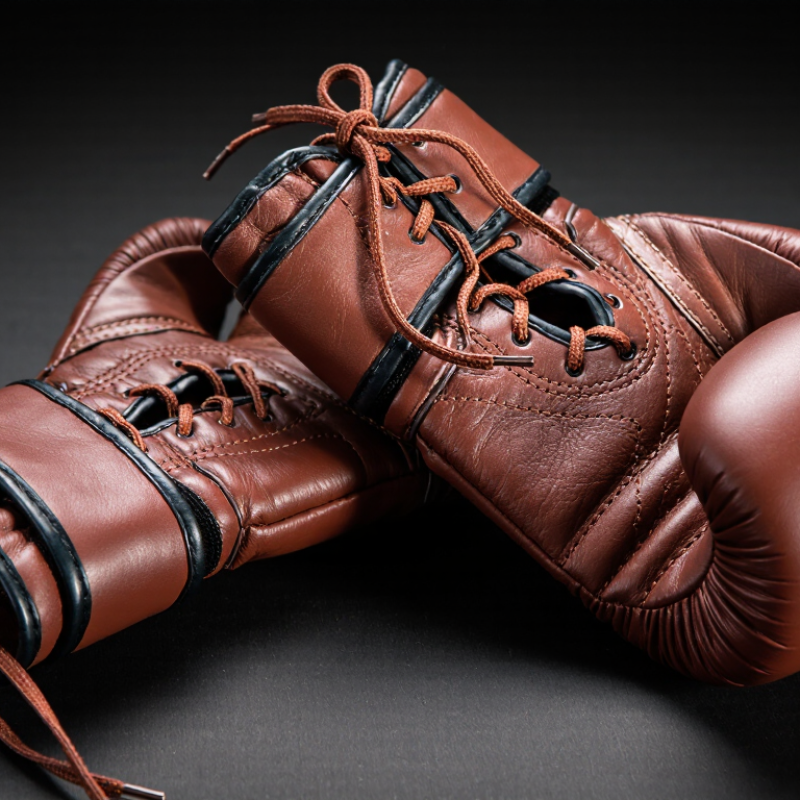
2026 Top Lace Up Professional Fight Boxing Gloves?

What Are Lace-Up Professional Fight Boxing Gloves?

What Are Lace-Up Professional Fight Boxing Gloves?

Lace-up professional fight boxing gloves are competition gloves secured with long cotton or synthetic laces around the wrist. Unlike hook-and-loop models, they require hand wrapping and assistance before a bout. The lacing creates a close, stable fit, helping reduce wrist movement during punches. However, tight does not always mean safer. Excess pressure can restrict circulation or make the hand feel numb.

These gloves usually use compact layered foam, a firm palm, and a durable leather or synthetic outer shell. Fight weight often ranges from 8 to 10 ounces, but commission rules may differ by event and weight class. The Association of Boxing Commissions and Combative Sports publishes rules that show why checking local requirements matters. A glove can feel perfect in training and still fail an official equipment check.

Market research also shows why this category continues to attract attention. Grand View Research reported steady growth in the global boxing equipment market, supported by rising participation and combat-sport gyms. Fortune Business Insights similarly identifies protective equipment as a major market segment. These reports measure industry demand, not actual glove quality. That distinction is important.

A proper pair should fit evenly across the knuckles, leave no sharp lace pressure, and allow natural finger movement. Ask an experienced coach to inspect the fit. Small detail. Personal testing still beats a sales claim. Some athletes prefer a softer break-in period, while others need immediate structure. My own view is cautious: durability claims are useful, but repeated pad work reveals the truth.

Key Features of the Top Boxing Gloves for 2026

For 2026, top lace-up professional fight boxing gloves should combine secure wrist support, balanced padding, and reliable construction. A lace-up closure can reduce unwanted movement during hard training. However, the fit must be checked by an experienced coach or trainer.

High-density foam should protect the knuckles without making the glove feel stiff. The padding needs even coverage across the fist, especially near the index and middle knuckles. A smooth leather or durable synthetic outer layer can resist repeated impact. Strong stitching matters around the thumb, palm, and lace holes. Small failures often begin there.

Ventilation is another key feature. Perforated palms and moisture-resistant lining can keep hands more comfortable during long sessions. Still, gloves do not replace proper hand wraps. Wraps should support the wrist and protect the small hand bones. I prefer testing gloves on a heavy bag before using them for partner work. The wrist should feel stable, not trapped. The thumb should stay naturally positioned.

No glove is perfect.

Modern designs may improve comfort, but they cannot correct poor technique. Check the foam after each session for hard spots, deep creases, or uneven compression. A glove that looks fine may already offer weaker protection. Lace-up models also need help from another person, which can be inconvenient before training. That detail is easy to overlook.

How to Choose the Right Lace-Up Fight Gloves

2026 Top Lace Up Professional Fight Boxing Gloves?

How to Choose the Right Lace-Up Fight Gloves

Choosing lace-up fight gloves starts with fit, not appearance. Measure your hand circumference and compare it with the manufacturer’s sizing chart. A glove should feel firm around the wrist, while your fingers remain relaxed inside. For regulated bouts, confirm the required glove weight with your athletic commission. Rules differ by division and location. The Sports & Fitness Industry Association’s 2024 Topline Participation Report recorded roughly 5 million boxing participants in the United States during 2023. That growth makes proper equipment selection more important, especially for athletes training frequently.

Lace-up gloves usually provide closer wrist support than hook-and-loop designs. An experienced coach should check the wrist angle, thumb position, stitching, and padding density before hard sparring. Research reviews in Sports Medicine report that boxing concussion rates vary considerably between studies, so no glove should be treated as complete protection. Look for multi-layer foam with consistent compression, then test the glove on a wrapped hand. Too tight is bad.

I learned this slowly.

My first pair felt secure but restricted my knuckles after several rounds. That mistake taught me to test movement, not only stability. Check whether the laces stay flat and whether a coach can tie them safely. Inspect seams after every session. A small tear can grow quickly. Market analyses from Grand View Research also separate training and competition gloves, reminding buyers that similar-looking gloves may serve very different impact demands. Don’t assume expensive means suitable.

Comparing Materials, Padding, Fit, and Wrist Support

2026 Top Lace Up Professional Fight Boxing Gloves?

Choosing lace-up professional fight boxing gloves requires more than judging appearance. Material affects comfort, durability, and maintenance. Full-grain leather usually softens with regular training and resists surface wear. Synthetic leather can reduce cost and simplify cleaning, but it may crease sooner around the thumb.

Padding deserves careful attention. Multi-layer foam offers balanced impact absorption and shape retention. Softer foam feels comfortable during bag work, yet it may compress faster during repeated sessions. Firmer padding protects structure but can feel unforgiving in sparring. My fitting experience suggests checking the foam after several weeks, not only on the first day. I once preferred dense padding, then noticed hand fatigue during longer rounds.

Fit should feel secure without crushing the knuckles. Wear hand wraps before testing the gloves. Your fingertips should reach the end without curling tightly. The thumb should sit naturally, with no sharp seam against the joint. Lace-up closures provide precise wrist support, but they need assistance and extra time. The laces should hold the wrist straight, not force it backward. A snug cuff helps stability; excessive tightness can cause numb fingers. Check both gloves carefully. Small differences sometimes appear between pairs.

2026 Top Lace Up Professional Fight Boxing Gloves? - Comparing Materials, Padding, Fit, and Wrist Support

Glove Profile Outer Material Padding Construction Typical Weight Options Fit and Hand Position Wrist Support Best Use Main Trade-Off
Full-Grain Leather Competition Lace-Up Full-grain cowhide leather with reinforced stitching Multi-layer high-density foam with a firm impact surface 8, 10, 12, and 14 oz; competition rules may limit weight Close, compact hand compartment; favors a clenched fist and direct punching alignment Long lace closure with firm, even compression around the wrist Amateur bouts, supervised technical work, and experienced competitors Requires assistance to put on and remove; leather needs drying and conditioning
Premium Leather Training Lace-Up Top-grain leather with a soft, flexible finish Layered foam combining shock absorption with moderate hand feedback 12, 14, and 16 oz Balanced fit with moderate finger curvature; usually comfortable for longer sessions Wide lace panel supports the wrist without the stiffness of a rigid competition pattern Daily bag work, mitts, partner drills, and controlled sparring Typically heavier and warmer than compact fight gloves
Microfiber Performance Lace-Up Abrasion-resistant synthetic microfiber Medium-density molded foam with consistent shape retention 10, 12, 14, and 16 oz Generally uniform sizing; suitable for users who prefer a less broken-in feel Lace closure offers dependable tension; wrist feel depends strongly on correct wrapping Frequent training, humid environments, and users seeking easier maintenance Usually less supple than leather and may develop surface wear sooner under heavy friction
Compact Fight-Shape Lace-Up Leather or reinforced synthetic leather Firm, compact foam profile designed to reduce bulk at the knuckles 8 and 10 oz Snug competition-style hand compartment with limited room for thick wraps Long cuff and laces provide strong wrist alignment when professionally fitted Competition-style drills and experienced fighters prioritizing speed Less forgiving for beginners, larger hands, or high-volume heavy-bag training
High-Protection Sparring Lace-Up Durable leather or multi-layer synthetic construction Thicker, softer multi-layer foam with greater knuckle coverage 14 and 16 oz; some designs are available in 18 oz Roomier fit accommodates standard hand wraps and reduces pressure on the fingers Extended cuff and adjustable lacing provide substantial wrist and lower-forearm support Partner drills and sparring where impact control is a priority Bulkier profile can slow hand movement and is not normally selected for official bouts
Slim-Cuff Technical Lace-Up Lightweight leather or laminated synthetic leather Moderate-density foam with a thinner, responsive knuckle area 10, 12, and 14 oz Narrower palm and shorter cuff suit small-to-medium hands; less suitable for wide hands Good rotational control but less forearm coverage than an extended-cuff design Footwork drills, mitt work, technical bag sessions, and fast combinations Provides less cushioning and wrist coverage for powerful, repetitive heavy-bag strikes
Selection note: Lace-up gloves generally provide more even wrist compression and a closer fit than hook-and-loop gloves, but they normally require assistance. Glove weight, hand-wrap thickness, training intensity, and local competition rules should be checked before purchase.

How to Maintain and Safely Use Lace-Up Boxing Gloves

2026 Top Lace Up Professional Fight Boxing Gloves?

Lace-up boxing gloves need disciplined care, not occasional attention. Before training, check every lace, eyelet, seam, and thumb attachment. A loose lace can change wrist support within minutes. I prefer a partner to tie the gloves, keeping pressure firm but not restrictive. Your fingers should move naturally. Numbness is a warning.

Sweat remains inside the glove after hard rounds. Wipe the exterior immediately with a clean, slightly damp cloth. Never soak the padding. Open the gloves fully and let them dry in moving air, away from direct heat. Heat can harden foam and weaken leather or synthetic surfaces. The World Health Organization recommends 20–30 seconds for alcohol-based hand rubbing and 40–60 seconds for soap-and-water washing. These timings apply to clean hands before handling the gloves, not to the gloves themselves.

Use separate hand wraps for every session, and wash them after training. Do not share damp equipment. The Association of Ringside Physicians’ consensus guidance treats hygiene, fit, and equipment inspection as practical injury-prevention measures. Replace gloves when padding stays compressed, stitching opens, or the wrist support bends unevenly. I still miss a small seam sometimes. That is why I inspect under bright light before each session. Store the gloves open, dry, and away from gym bags. A closed bag traps odor and moisture.

FAQS

What features should professional lace-up boxing gloves have in 2026?

They should offer stable wrist support, balanced padding, and strong construction. The thumb, palm, and lace holes need reinforced stitching. No glove is perfect.

Why is high-density foam important?

High-density foam cushions the knuckles during repeated impact. It should protect the index and middle knuckles evenly. Very stiff foam may increase hand fatigue.

How should boxing gloves fit?

Wear hand wraps before testing the gloves. Your fingertips should reach the end without curling tightly. The glove should feel secure, not crushing.

What should I check around the thumb?

The thumb should rest naturally without pressure from a sharp seam. Check the thumb crease carefully. Small discomfort can become distracting later.

Are leather gloves better than synthetic gloves?

Full-grain leather usually softens with training and resists surface wear. Synthetic leather often costs less and cleans easily. It may crease sooner near the thumb.

How can I test wrist support?

Lace the gloves with help from an experienced coach or trainer. Your wrist should stay straight, not bend backward. A snug cuff helps, but numb fingers signal excessive tightness.

Do boxing gloves need ventilation?

Perforated palms and moisture-resistant lining can improve comfort during long sessions. Ventilation does not replace hand wraps. Wet gloves still need careful drying.

How should I inspect gloves after training?

Look for hard foam spots, deep creases, and uneven compression. Press the padding near the knuckles. A glove can look fine while protection has weakened.

Should I test new gloves before partner training?

Test them on a heavy bag first. Check wrist stability, thumb position, and hand comfort. I once trusted dense padding, then noticed fatigue during longer rounds.

Conclusion

Lace-Up Professional Fight Boxing Gloves are specialized training and competition gloves designed for serious boxers who need a secure, customized fit and dependable hand protection. Unlike hook-and-loop designs, their laces provide firm wrist support when properly tightened by a coach or training partner. The top gloves for 2026 should combine balanced weight, durable construction, comfortable lining, impact-absorbing padding, and a shape that supports correct punching technique without restricting movement.

Choosing the right pair requires considering glove size, intended use, hand dimensions, padding density, material quality, and the level of wrist stability needed. Genuine leather may offer long-term durability, while high-quality synthetic materials can provide easier maintenance and consistent performance. Proper fit is essential: gloves should feel snug but leave enough room for hand wraps. Users should inspect the laces, stitching, and padding regularly, air the gloves after training, clean them according to the material, and never use damaged equipment. With careful selection, safe fitting, and routine maintenance, these gloves can support effective practice and responsible ring preparation.


Clara

Clara

Clara is a dedicated marketing professional with a strong understanding of the company’s products, customers, and market trends. Through years of experience in content strategy, digital communication, and customer-focused marketing, she has developed a professional perspective that connects product......
Chat with us