Choosing the 2026 Best Wicket-Keeping Gloves for Global Buyers requires more than comparing brand names.
Grand View Research’s sports equipment analysis reports steady global demand for performance-led protective gear. Mordor Intelligence’s cricket equipment market coverage also forecasts continued mid-single-digit growth. However, neither report isolates wicket-keeping gloves. That limitation matters. Market growth does not guarantee better catching control.
For buyers, construction details deserve closer attention. A quality pair should offer firm finger protection, shaped catching pockets, durable leather or synthetic palms, and secure wrist closure. The glove should close naturally, without forcing the fingers. Small gaps can become painful problems after several hundred deliveries.
Former South Africa wicketkeeper Mark Boucher has said, “Gloves are a very personal thing.” That practical view remains highly relevant. Hand size, catching style, pitch conditions, and ball hardness all influence the correct choice. A flexible glove may feel quick behind the stumps. A stiffer model may provide greater confidence against fast bowling.
Material claims still require caution. “Premium” can describe feel, stitching, or marketing language. It does not always describe durability. Independent testing, retailer specifications, warranty terms, and verified user feedback provide stronger evidence. Buyers should also check local sizing charts, return policies, and import costs before ordering internationally.
There is no universal winner.
This guide compares leading Wicket-Keeping Gloves through fit, protection, flexibility, durability, weather performance, and value. Some conclusions may remain debatable. That is intentional. Real hands, real pitches, and real match pressure expose weaknesses that product pages often hide.
What Are Wicket Keeping Gloves and How Do They Work?
What Are Wicket Keeping Gloves and How Do They Work?
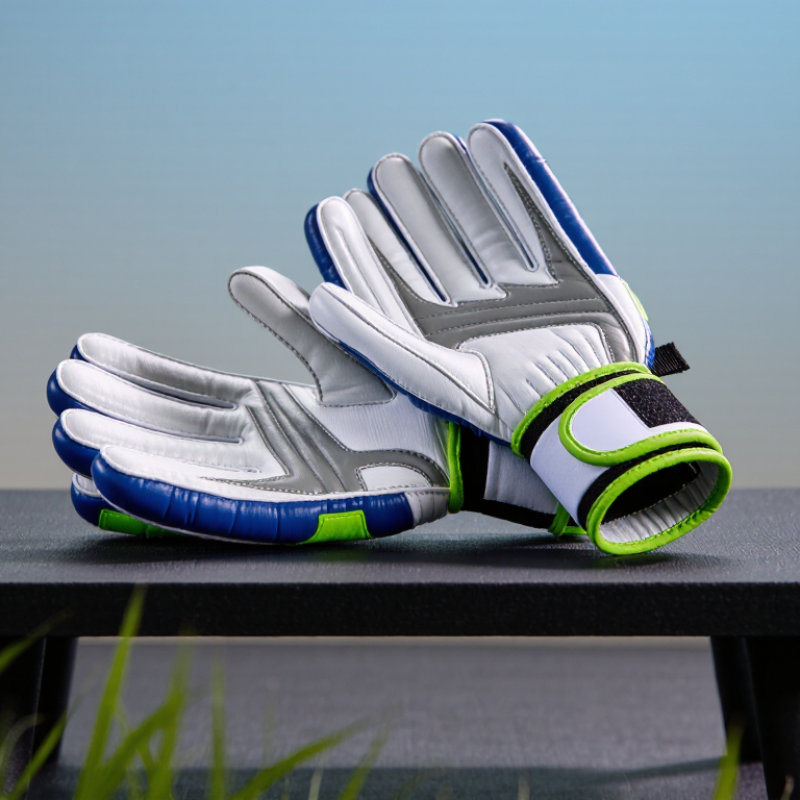
Wicket keeping gloves are padded hand protectors designed for catching fast cricket balls behind the stumps. Their large, rounded cuffs protect the wrists, while foam padding reduces impact across the palm and fingers. A flexible catching web helps the keeper receive the ball without trapping it too rigidly.
The gloves work through three connected features: cushioning, grip, and controlled flexibility. Leather or synthetic outer layers resist abrasion. Internal foam spreads force across a wider area. Textured palms help maintain contact during wet or dusty sessions. The fit should feel secure, not painfully tight. Loose gloves can delay hand closure.
The International Cricket Council’s 2024 Members Report lists 108 member nations, showing why equipment must suit varied climates and playing levels. ICC playing conditions also restrict wicketkeeper glove webbing, so the glove cannot function like a net. This rule protects fair catching and keeps the keeper’s role technically demanding. Industry forecasts from Grand View Research place the global sports protective equipment market on continued growth through 2030, driven partly by participation and safety awareness. That figure covers many sports, not cricket alone. It should not be treated as a direct glove-sales forecast.
In practice, choosing gloves still involves judgment. More padding may reduce ball feel. Thin gloves can improve control but punish poor technique. I have seen comfort claims fail after one humid training session. Fit remains the overlooked variable.
2026 Best Wicket Keeping Gloves for Global Buyers?
What Are Wicket Keeping Gloves and How Do They Work?
Wicket keeping gloves are padded catching gloves designed to help a wicket keeper receive fast cricket balls safely and securely. Their catching surface, webbing, finger protection and extended cuff work together to improve grip, absorb impact and reduce hand and wrist strain.
The chart compares the regulated cricket-ball mass ranges most relevant to glove selection. Heavier balls generally require stronger palm padding and reliable catching support, while lighter balls may be used in women’s international playing conditions. Buyers should also check local playing regulations, hand measurements, cuff length and the required level of finger protection before choosing a glove.
Reference: Men’s ball range: MCC Laws of Cricket, Law 4, 155.9–163 g. Women’s ball range: commonly specified in international playing conditions, 140–151 g.
Key Materials, Construction, and Glove Types
2026 Best Wicket Keeping Gloves for Global Buyers?
Key Materials, Construction, and Glove Types
Material choice determines control, comfort, and service life. High-density leather offers dependable palm grip and resists repeated ball impact. Synthetic leather reduces weight and usually dries faster in humid climates. Textile Exchange’s 2024 Materials Market Report estimated recycled polyester represented about 14% of global polyester production in 2023. That figure supports recycled linings and mesh, but it does not prove better protection. Buyers still need verified stitching and abrasion tests.
Construction matters more than appearance. Look for reinforced finger sections, shaped foam, flexible gussets, and secure wrist closures. A rigid cuff can protect the wrist, yet it may restrict quick glove changes. Poorly aligned finger rolls create pressure points after several overs. They are easy to miss in a showroom.
Traditional catching gloves use deeper leather pockets and softer foam for secure ball retention. Lightweight practice gloves often use thinner padding and more ventilation. Match-level gloves usually combine layered foam, reinforced palms, and carefully balanced finger mobility. Grand View Research valued the global sports equipment market at approximately 483.5 billion dollars in 2023, showing the scale of material innovation across sporting goods. However, wicketkeeping remains highly position-specific. A buyer should compare palm texture, seam quality, moisture handling, and fit, not just market claims. Personal preference still matters. My ideal glove may feel too loose to another keeper.
How to Choose the Right Wicket Keeping Gloves
Choosing the right wicket keeping gloves starts with fit, not color or advertised padding. During a fitting, bend your fingers, close your hand, and mimic a low take. The glove should feel secure without crushing your fingertips. Leave only slight space at the ends. Excess room can delay soft catches. A tight glove can restrict movement and cause numbness. Measure both hands, because they may differ. Small detail, big effect.
Match the gloves to your role and playing conditions. A keeper standing close to the stumps often needs flexible palms and free finger movement. A deeper position may require more cushioning for faster deliveries. Leather or quality synthetic palms should fold naturally. Reinforced finger sections can support repeated impact. Check the web shape and cuff closure carefully. Loose edges may distract you during a dive. In humid weather, breathable lining and moisture control matter. On cold mornings, stiff materials can make the first few overs awkward.
Test gloves with your own wicketkeeping drills before buying. Catch tennis balls from different angles, collect rolling balls, and practice glove changes between deliveries. Inspect stitching, palm creases, and wrist security after several sessions. I once preferred heavily padded gloves, but their slow closure caused dropped low catches. That mistake changed my priorities. Comfort is not proof. Ask a qualified coach to observe your technique, and check current competition rules before match use. For global buyers, also consider climate, sizing standards, and return policies. Fit matters.
Global Buying Factors: Sizes, Standards, Prices, and Suppliers
Buying wicket keeping gloves globally in 2026 requires more than comparing product photos. Start with accurate sizing. Measure palm circumference and finger length while wearing a thin liner. Adult sizes often vary between suppliers, so always request a measurement chart. A glove should feel secure around the wrist, with fingertips ending near the protective sections. Too much space can weaken control. Too little space causes pressure during long innings. My first size estimate was wrong once.
Standards also need careful checking. There is no single worldwide rule covering every wicket keeping glove. Ask suppliers for material details, impact-test information, stitching specifications, and quality-control records. Confirm whether the gloves suit club cricket, training, or regulated competition. Requirements may differ by tournament and country. Request samples before placing a large order. Photos cannot show foam density, finger mobility, or palm grip.
Prices commonly range from about 25 to 180 US dollars per pair, depending on protection, leather quality, padding, and order volume. Shipping, customs charges, packaging, and replacement rates can change the final cost. A cheaper quote may hide inconsistent sizing or weak stitching. Compare landed cost, not unit price. Reliable suppliers should provide clear invoices, production timelines, inspection options, and responsive after-sales communication. Ask about batch consistency. It matters. Small buyers may prefer flexible minimum orders, while distributors need stable monthly capacity and documented quality checks.
How to Maintain, Test, and Replace Wicket Keeping Gloves
Good wicketkeeping gloves are safety equipment, not disposable fashion. Inspect them before every session. Check the catching surface for flattening, hard patches, torn stitching, and loose webbing. Press each palm gently. If the foam stays crushed, impact protection may have weakened. Restricted finger movement can turn a clean take into a painful mistake.
MCC Laws of Cricket, Law 27, defines key wicketkeeper equipment requirements. Fit testing therefore matters. After play, remove mud with a soft, dry brush. Do not soak the gloves or place them on a radiator. Moisture trapped inside encourages odor and material breakdown. Air them open in shade. Use a breathable storage bag. Textile Exchange’s Materials Market Report 2024 reports 124 million tonnes of global fibre production in 2023. It projects about 160 million tonnes by 2030. That figure is not cricket-specific, but longer product life still reduces avoidable waste.
Test gloves with ten controlled catches at normal training speed. Ask another player to watch finger alignment. Replace them when the palm tears, padding becomes uneven, or the cuff no longer closes securely. Research and Markets’ 2025 Sports Gloves Global Market Report forecasts continued category growth through 2029. More products do not automatically mean safer products. Record the purchase date, session count, and visible failures. Players often replace gloves too late. That habit deserves reconsideration.
FAQS
They protect the hands while catching fast cricket balls behind the stumps. Padding reduces impact across the palms and fingers.
Internal foam spreads force across a wider area. Rounded cuffs also protect the wrists. More padding can reduce ball feel.
The web supports controlled catching without acting like a net. Its flexibility helps the keeper receive the ball naturally. Fit matters.
Leather offers strong grip and abrasion resistance. Synthetic leather is lighter and often dries faster in humid conditions. Linings may include recycled textiles.
Check reinforced fingers, shaped foam, flexible gussets, and secure wrist closures. Examine stitching closely. Looks can mislead.
They should feel secure without painful tightness. Loose gloves may delay hand closure. Pressure points can appear after several overs.
Traditional gloves use deeper pockets and softer foam. Practice gloves are lighter and more ventilated. Match gloves balance layered padding with finger mobility.
Textured palms can help maintain contact during damp sessions. Synthetic outer materials may dry faster. Still, one glove can feel comfortable until training becomes humid.
Conclusion
Wicket-Keeping Gloves are specialized protective gloves designed to help wicketkeepers catch, gather, and control the ball safely and confidently. This guide explains how their padded palms, flexible finger sections, webbing, wrist support, and layered construction work together to balance protection, grip, comfort, and movement. It also compares common glove types and materials, helping players understand how design choices affect performance in different playing conditions and skill levels.
For global buyers, selecting the right Wicket-Keeping Gloves requires careful attention to hand measurements, fit, ventilation, durability, quality standards, pricing, and supplier reliability. The guide also outlines practical ways to inspect gloves before use, clean and dry them properly, preserve their shape, and identify signs of wear. By considering playing frequency, climate, budget, and replacement needs, buyers can make informed purchasing decisions and choose gloves that provide dependable performance throughout their service life.