0%

Choosing boxing mitts is not a cosmetic decision. A coach feels the difference when a pad twists on impact, its target shifts, or a seam presses into the palm. For athletes, those details can shape comfort, focus, and training rhythm. Leather Focus Mitts And Punch Pads are often chosen for their feel and potential longevity, but leather alone does not guarantee quality. Stitching, padding, wrist support, fit, and care all matter.

Reliable comparisons need more than product claims. The Sports & Fitness Industry Association’s 2025 Topline Participation Report provides context on activity participation, while the American College of Sports Medicine’s Worldwide Survey of Fitness Trends tracks broader training priorities. Neither report tests mitt materials or ranks individual products. That distinction matters. This guide therefore focuses on practical features buyers can inspect: balanced weight, secure hand compartments, firm but responsive padding, and reinforced seams. Look closely at the wrist closure. Notice whether the target surface stays steady during repeated combinations. Small details count.

No single pair suits every gym. A compact mitt may help a coach move quickly, while a larger punch pad can offer a clearer target for certain drills. Leather can wear well, but it still needs sensible cleaning and drying. I would not treat “premium” as proof. The best choice is the one that fits the coach’s hand, the session’s demands, and the gym’s maintenance routine.
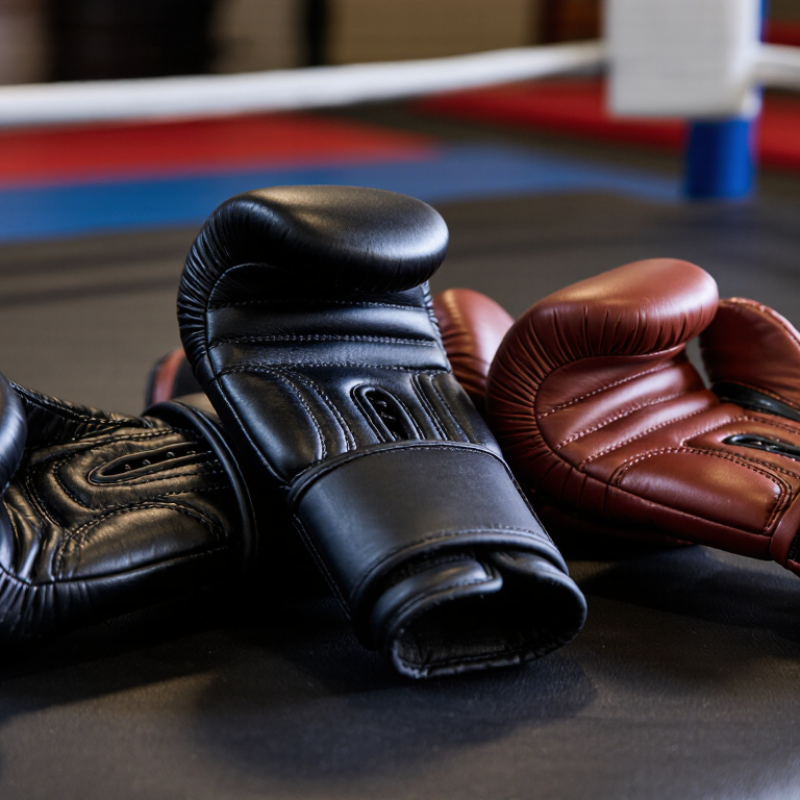
2026 Best Leather Focus Mitts and Punch Pads for Boxing

What Leather Focus Mitts and Punch Pads Are Used for in Boxing

Leather focus mitts and punch pads help boxers practise timing, accuracy, and controlled combinations with a moving target. A coach can call a jab, shift a mitt, then cue a cross, asking the boxer to react rather than throw punches on autopilot. The compact targets encourage clean contact near the centre, where impact feels clearer and the wrist is easier to keep aligned. Bigger punch pads offer a broader surface for body-level shots and stronger combinations.

Keep it controlled. Speed without balance often produces sloppy punches.

These tools also build communication between boxer and coach. A raised mitt can signal a target; a turned surface can prompt a hook or defensive movement. Short rounds make it easier to focus on one skill, such as returning the hand to guard after each punch. Leather can withstand regular training, but stitching, padding, and fit still need checking. A loose strap can distract the wearer, and worn padding may feel uneven. No mitt fixes poor technique. Even experienced pairs sometimes rush the drill; slowing down and resetting the target can make the next round more useful.

How Leather Construction Affects Durability, Fit, and Performance

2026 Best Leather Focus Mitts and Punch Pads for Boxing

Leather construction influences how focus mitts handle repeated impact, sweat, and movement. A well-fitted mitt should sit snugly around the hand, with fingers secured and the wrist supported. Too much looseness can let the hand slide on contact; overly stiff leather may restrict quick target adjustments. Feel the inside seam and flex the pad before training. Small details matter.

Durability claims are more useful when tied to recognized tests. ISO 3376:2020 measures leather tensile strength and elongation, while ISO 3377-2:2016 evaluates tear strength. ISO 11640:2012 assesses colorfastness to rubbing, relevant when sweat and friction affect the surface. These standards describe test methods, not a guarantee that every leather mitt will last longer. Stitching, padding, care, and training frequency also shape service life. Leather can develop creases and a softer feel with use, but neglected sweat can leave it stiff or cracked. A damp cloth and thorough air-drying help; direct heat may dry the material unevenly. One caveat: a soft, broken-in feel is not proof that the padding still absorbs impact well.

2026 Best Leather Focus Mitts and Punch Pads for Boxing - How Leather Construction Affects Durability, Fit, and Performance

Construction or feature What it means Durability considerations Fit and handling Performance considerations
Full-grain leather outer Uses the outermost hide layer with its natural grain largely intact. The dense surface can wear well, but lifespan still depends on hide quality, stitching, padding, and care. Scuffs and natural markings may remain visible. Leather can soften with use; the shape and hand fit are also determined by the mitt pattern, lining, and wrist closure. A durable outer can suit frequent pad work. It does not by itself determine impact feel or hand protection; padding design matters.
Top-grain or corrected-grain leather outer Made from the hide’s upper layer; the surface may be sanded or finished to create a more uniform appearance. Wear resistance varies with the amount of surface correction and finishing. The finish can show abrasion or cracking if damaged or poorly maintained. Often has a consistent surface feel, but comfort and secure positioning depend more directly on the interior shape and strap design. A practical option for regular training when the overall construction is sound; the leather label alone is not a measure of pad responsiveness.
Split leather or suede surface Split leather comes from the lower layers of a hide. Suede is made by raising a nap on a leather surface, commonly a split. The napped surface can show dirt and abrasion more readily than a smooth finished surface. Durability varies with the leather and finishing process. The surface texture may feel less slick, though it does not replace a properly fitted hand pocket or adjustable wrist support. Texture affects surface feel, not the amount of impact absorption; that is chiefly influenced by the padding and pad shape.
Leather outer with layered foam padding Combines a leather cover with foam layers that may differ in density or firmness. The cover may remain intact while foam gradually compresses with use. Seams and high-stress areas should also be checked. Padding thickness and placement affect hand space, weight, and how securely the mitt sits on the holder’s hand. Foam design influences impact feel and shock distribution. More padding is not automatically better if it makes the mitt bulky or slow to handle.
Reinforced stitching and stress points Stitching joins panels; reinforcement may be added around seams, finger areas, and wrist attachments. Even quality leather can fail at a weak seam. Straight, consistent stitching and secure panel joins are useful inspection points. Well-placed seams reduce unwanted pressure points, while poorly positioned or bulky seams may rub during extended sessions. Secure seams help the pad retain its shape under repeated strikes, supporting predictable target presentation.
Leather lining and wrist closure The lining contacts the holder’s hand; a strap, elastic, or other closure helps keep the mitt in place. Interior materials and closure components can wear independently of the outer leather. Moisture and repeated friction can accelerate interior wear. A secure, comfortable fit reduces slipping. Hand-pocket shape and closure adjustability matter more than the outer leather grade for fit. A stable fit helps the holder control target angle and position. Closures should feel secure without restricting wrist movement.

Comparison note: Leather grade is only one part of a mitt’s construction. Fit, stitching, padding, closure design, training frequency, and routine drying all affect service life and performance.

Key Features to Compare When Choosing Boxing Focus Mitts

When comparing leather focus mitts, start with fit, padding, and wrist support—not appearance. The SFIA 2024 Topline Participation Report estimated 5.4 million U.S. boxing participants in 2023, up 10.2% from the previous year. More training partners means more repeated catches, so small comfort problems can quickly become distracting. Try mitts with your usual hand wraps. Your fingers should reach the target comfortably, while the strap holds your wrist without pinching.

Check the leather grain, stitching, and padding after several rounds. Dense, evenly distributed padding can soften repeated impacts, while a curved target may help guide a straight punch. There is a trade-off: extra padding can add weight and slow defensive drills. A secure palm grip and ventilated lining also matter during sweaty sessions. Ask a coach to test the mitts with light punches before harder work; a loud slap alone does not prove good shock control. Leather quality varies, and no single feature guarantees long service life.

Tips: Compare the pair in person. Check seams near the target and strap. If your wrist shifts on a catch, stop and reassess the fit. Rotate mitts during training, and let damp leather dry fully between sessions.

Types of Leather Punch Pads for Different Training Needs

Leather punch pads differ in shape, padding, and hand position. Curved focus mitts follow the natural shape of a closed fist and give punches a clear target. Their compact face works well for quick combinations, head movement drills, and accuracy practice. The curve can help keep shots centered, though beginners may need time to find the target. A secure wrist strap matters. Loose mitts can twist on impact.

Flat punch pads have a broad, even striking surface. They suit basic straight punches and controlled partner drills, where a predictable target helps build timing. Some coaches prefer them for teaching distance because the flat face makes contact easy to see. They can feel less forgiving when a punch lands off-center. Not always.

Longer, thicker leather pads are better suited to heavier punches and repeated body-shot drills. Their extra coverage can protect the holder’s forearms, but it also adds weight and may tire the arms during long rounds. Check the stitching, padding, and grip before training; leather alone does not guarantee durability. Wipe pads dry after use and let them air out. I would not choose by appearance alone: fit and comfort often matter more, and those are easy to overlook.

How to Select and Care for the Best Mitts and Pads in 2026

For 2026, choose leather focus mitts and punch pads by fit, balance, and intended use—not appearance alone. The pad should sit securely on the holder’s hand, with no sharp pressure across the wrist. Check the stitching, curved striking surface, and padding for gaps or hard spots. A mitt that feels light but twists on impact can tire the holder quickly. Fit comes first.

The National Safety Council’s Injury Facts 2024 reports about 3.6 million sports- and recreation-related injuries treated in U.S. emergency departments in 2022. That figure covers many activities, not boxing alone, but it is a useful reminder to inspect equipment and avoid training through damaged padding. Ask a coach to check your stance and pad placement; small adjustments can reduce awkward wrist angles. Leather quality varies, too, so a higher price is not proof of better construction.

Tips: After training, wipe mitts with a clean, slightly damp cloth and let them air-dry away from direct heat. Don’t seal them while damp. Check seams weekly, and replace pads with shifting or compressed foam. A little routine care helps; it cannot restore worn padding.

FAQS

How should a leather focus mitt fit?

It should sit snugly, with your fingers reaching the target comfortably. The wrist strap should hold without pinching. No sliding.

What should I inspect before training?

Check the seams near the target and strap. Feel for hard spots or gaps in the padding, then flex the leather gently.

Does leather quality guarantee a longer-lasting mitt?

No. Stitching, padding, care, and training frequency also affect service life. Leather quality varies.

What do leather durability tests tell me?

Some tests measure tensile strength, tearing, or colorfastness to rubbing. They describe test methods, not how long a particular mitt will last.

Does extra padding always improve performance?

Not necessarily. Dense, even padding can soften repeated impacts, but extra padding may add weight and slow defensive drills.

Does a loud slap mean the mitt absorbs impact well?

No. Sound alone cannot show how well the padding controls impact. Ask a coach to check the mitt with light punches.

How should I care for damp leather mitts?

Wipe them with a slightly damp, clean cloth, then air-dry them away from direct heat. Don’t seal them while damp.

When should I replace a mitt?

Replace it if the foam shifts or feels compressed, or if seams are damaged. A soft, broken-in feel is not proof that the padding still works. I still tend to judge by feel alone; that can mislead.

Conclusion

Leather Focus Mitts And Punch Pads are essential training tools for developing boxing accuracy, timing, speed, and combinations. Their leather construction can offer a durable surface and a secure, comfortable feel, while the mitt’s shape, padding, grip, wrist support, and ventilation influence how well it performs during practice. Choosing suitable equipment means balancing protection and responsiveness for both the boxer and the trainer.

Different pad styles serve different training needs, from compact mitts for precise target work to larger pads for practicing varied punches and combinations. In 2026, compare construction quality, fit, weight, cushioning, and intended use before selecting a pair. Regularly inspect seams and padding, wipe away sweat after sessions, and let the equipment air-dry fully. Consistent care can help preserve comfort and performance over time.


Clara

Clara

Clara is a dedicated marketing professional with a strong understanding of the company’s products, customers, and market trends. Through years of experience in content strategy, digital communication, and customer-focused marketing, she has developed a professional perspective that connects product......
Chat with us